We have made great efforts in environmental protection to make effective use of resources. Our products can effectively save energy and reduce emissions, creating a green environment. Operations and certificates should be assessed against the requirements applicable to each legal entity, site, product and destination market.
Eco-efficient Construction
FUJIHD plans installation activities around documented project requirements. Our aim is to ensure that our installation services are carried out in an eco-efficient way. Examples of our efforts in this area are: Efficient installation processes and methods that reduce the number of technicians required on site and the environmental impacts of traveling.Clearly defined site requirements that need to be fulfilled before installation starts, eliminating unnecessary site visits. Environmentally efficient waste handling on site, using separate containers for hazardous, metal, electrical, wood, and mixed waste.
Efficient Maintenance
The aim of our maintenance services is to keep our customers’ equipment running smoothly and eco-efficiently. Regular professional maintenance helps to prevent breakdowns and increases equipment lifetime. In addition to ensuring a long equipment lifetime we strive to provide our maintenance services in an eco-efficient way. We do this through for example: Route-planning technology to optimize technicians‘driving routes, thereby reducing emissions.Wireless technology and remote monitoring solutions to provide technicians with real-time information, which enables better planned maintenance visits and reduces the number of unnecessary call-outs.
Eco-efficiency In FUJIHD Operations
FUJIHD is committed to systematically developing the eco-efficiency of our its own operations. Environmental targets are published only after the measurement scope, baseline, period and responsible entity have been verified.
Vehicle Fleet Management
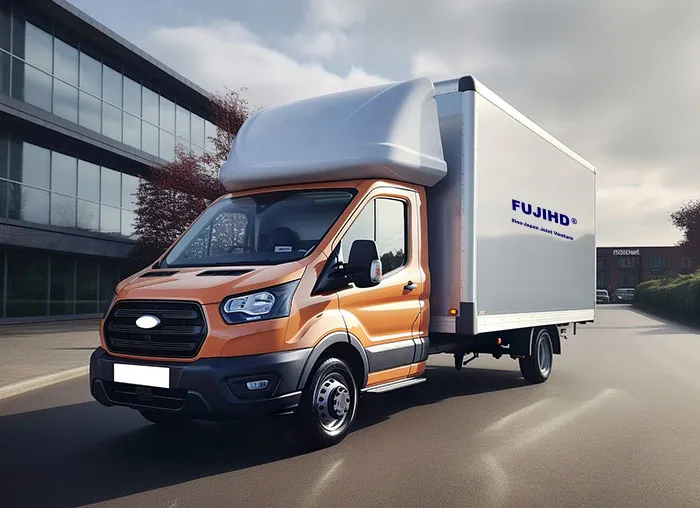
FUJIHD aims to operate an environmentally sustainable, safe, and cost-effective vehicle fleet. This is achieved through a globally aligned vehicle fleet policy and fleet management solutions. Where company-managed vehicles are used, route planning, maintenance and fuel use should be reviewed against current operational records.
Logistics
Eco-efficiency in logistics is achieved by optimizing the distribution network, maximizing the use of environmentally efficient modes of transport, optimizing delivery loads to maximize the use of space, and centralizing volumes at strategic suppliers to reduce transport distances. Supplier and logistics qualifications are confirmed for the relevant contract and destination rather than assumed from a general statement.
Waste Management
FUJIHD aims to reduce waste in its manufacturing and offices, through reduction at the source, reuse and recycling, or by sending waste for incineration. Waste performance figures are published only when the facility, reporting period, method and supporting records can be identified.
Certification verification
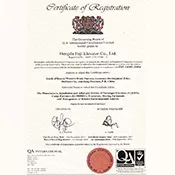
ISO 14001 certification helps to assure our customers and other external stakeholders that FUJIHD is committed to providing high quality products and solutions that take the environment into consideration. Certification claims apply only to the legal entity, site, product scope, standard and validity period shown on the underlying certificate. Buyers should request the current applicable document.
Supplier qualification
Supplier qualification is handled according to the relevant product and contract requirements. Specific certification or code-of-conduct claims are published only when supporting records are available.